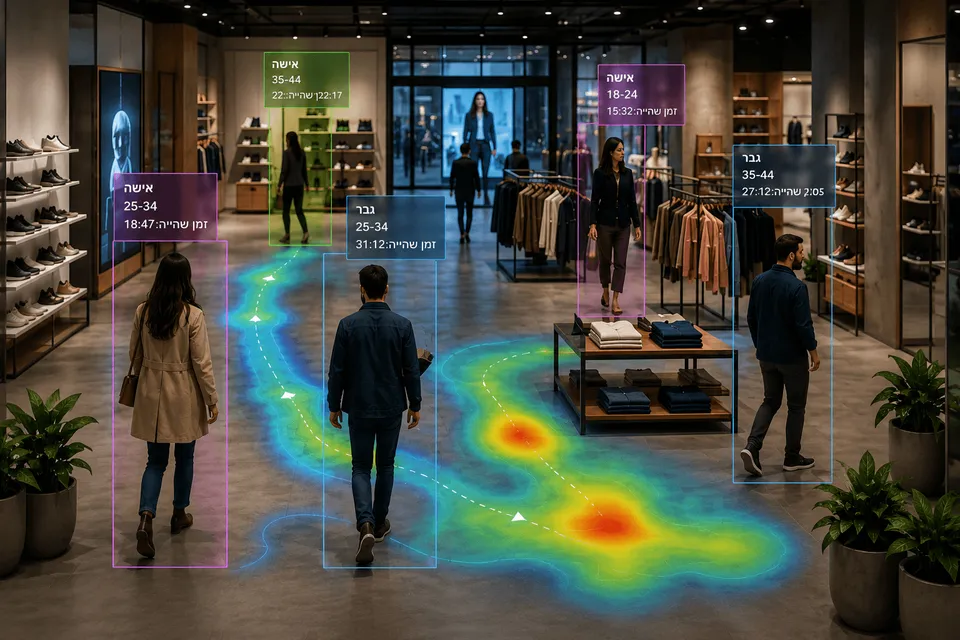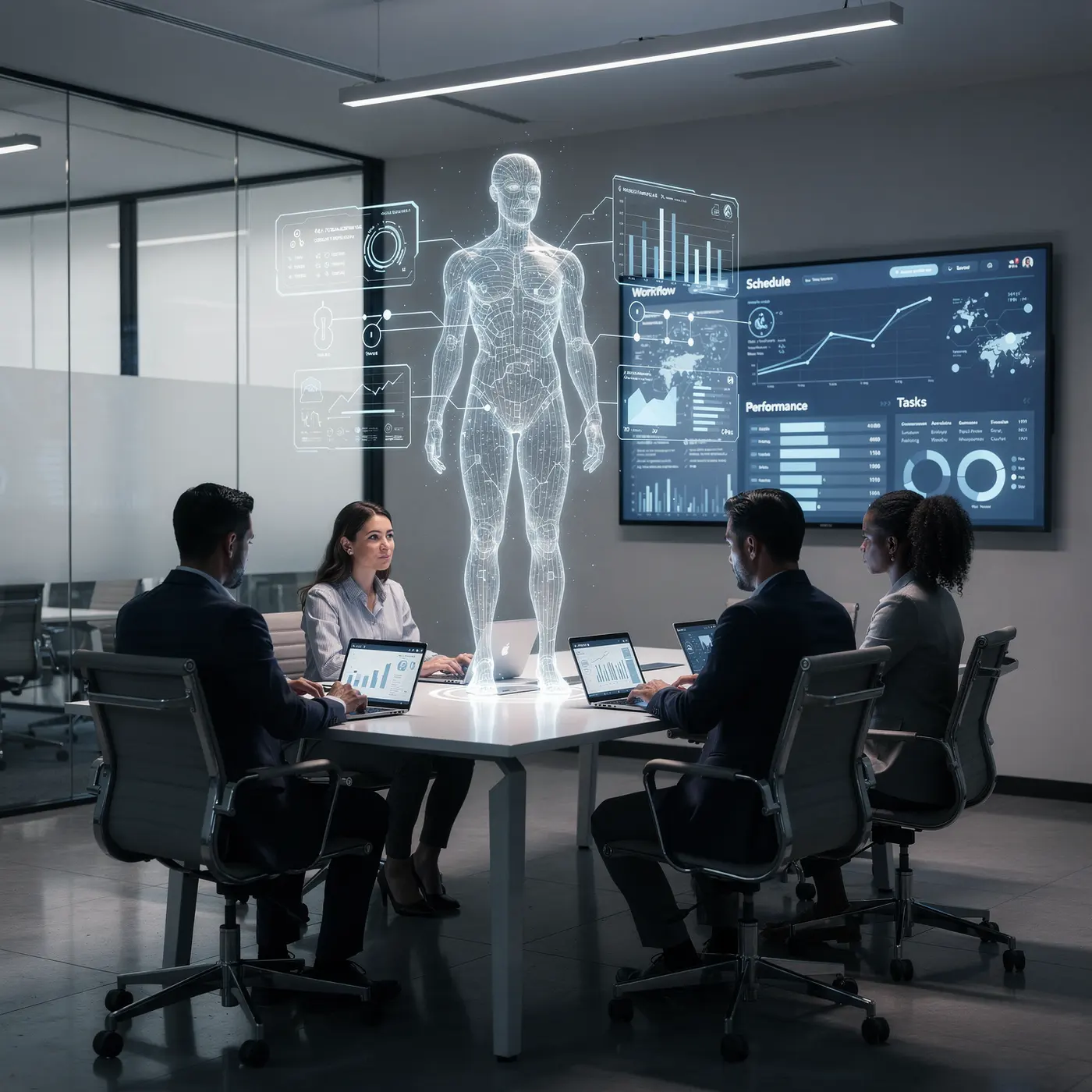
In short: technology becomes your best manager when it works as a digital nervous system: scanning visitor traffic, cross-referencing it with POS data and sending automatic alerts the moment something is out of line — when conversion drops below the threshold you set, for example. That creates one objective version of the truth with no room for excuses, and frees you from firefighting for strategic management and building the business.
Plenty of business owners see technology as an expense or an operational headache. The truth is the opposite: technology is the only employee that needs no coffee, has no moods and never misses a detail. Harnessing smart systems isn't a matter of "innovation" — it is the only way to run a business at scale without losing your grip on the small things.
The managerial problem
The limited capacity of the human brain. The common mistake is trying to hold everything in your head.
When you manage from memory or from manual reports, you are limited in how much data you can process. The result is managerial blindness — you miss trends on the floor, you don't spot an employee slipping in real time, and you forget selling opportunities. Without technology, you are your own business's ceiling.
The modern management answer
Creating a digital nervous system. In a technology-driven business the systems are the ones chasing the targets. The platform scans visitor traffic, cross-references it with the POS, sends alerts on exceptions and surfaces insights automatically.
That lets a manager stop firefighting and move to strategic management.
Technology turns the business into a smart entity that corrects itself in real time.
💡 Putting it into practice: making technology the engine of the business
Turning data into automatic action
- The old way — waiting for the end of the month to discover sales were down.
- The way the big players do it — setting automatic alerts. If conversion at a branch drops below a set threshold for two hours straight, the system pushes an alert to the manager.
Technology forces you to react while the money is still on the floor.
Taking the human factor out of oversight
- The action — move to objective measurement systems. When a platform counts visitors and analyses demographics, there is no room for excuses like "it was a slow day because it rained".
The data shows exactly how many people came in, and technology creates a single version of the truth that nobody can argue with.
Full synchronisation between systems
- The action — make sure your technologies talk to each other.
The people-counting system should integrate with the CRM and the POS. When information flows freely you get a 360-degree picture of the customer — from the moment they come through the door to the moment the deal is signed.
Freeing time for management and development
- The benefit — technology's greatest advantage is freedom.
When the system handles day-to-day oversight, you get time to think about the next branch, about developing new products and about raising profitability. You are no longer a worker inside the business; you are the owner running it from above.
💡 Technology isn't a substitute for a manager — it is the tool that turns a good manager into an excellent one.
A business that chooses to fall behind technologically is choosing to stay small.
Today you either use technology to lead, or you watch your competitors do it faster.