In short: running the business from anywhere in real time takes one dashboard that gathers everything: entries, conversion rates, occupancy and actual sales. On a single screen you see exactly where the business stands against its targets, spot bottlenecks the moment they happen and react immediately rather than at the end of the week. That is how you make decisions grounded in fact and run several branches remotely as easily as you ran one.
When you run a business without a central control tool, you are effectively blind to what is happening on the floor at the moment that matters. You are left relying on branch managers' subjective reports, or on numbers that arrive days late.
In a modern business, being able to see visitor data, analyse behaviour patterns and make strategic decisions grounded in fact isn't a luxury — it is a condition for surviving and growing.
The managerial problem
Management on a delay. Most managers' mistake is reacting to problems only after they have already happened.
You discover it was a weak day the following morning, or that one branch was unusually busy only once customers have complained about the service.
Without a dashboard gathering all the data, you have to be physically present in the business to "feel" it — and that is exactly what stops you expanding.
The modern management answer
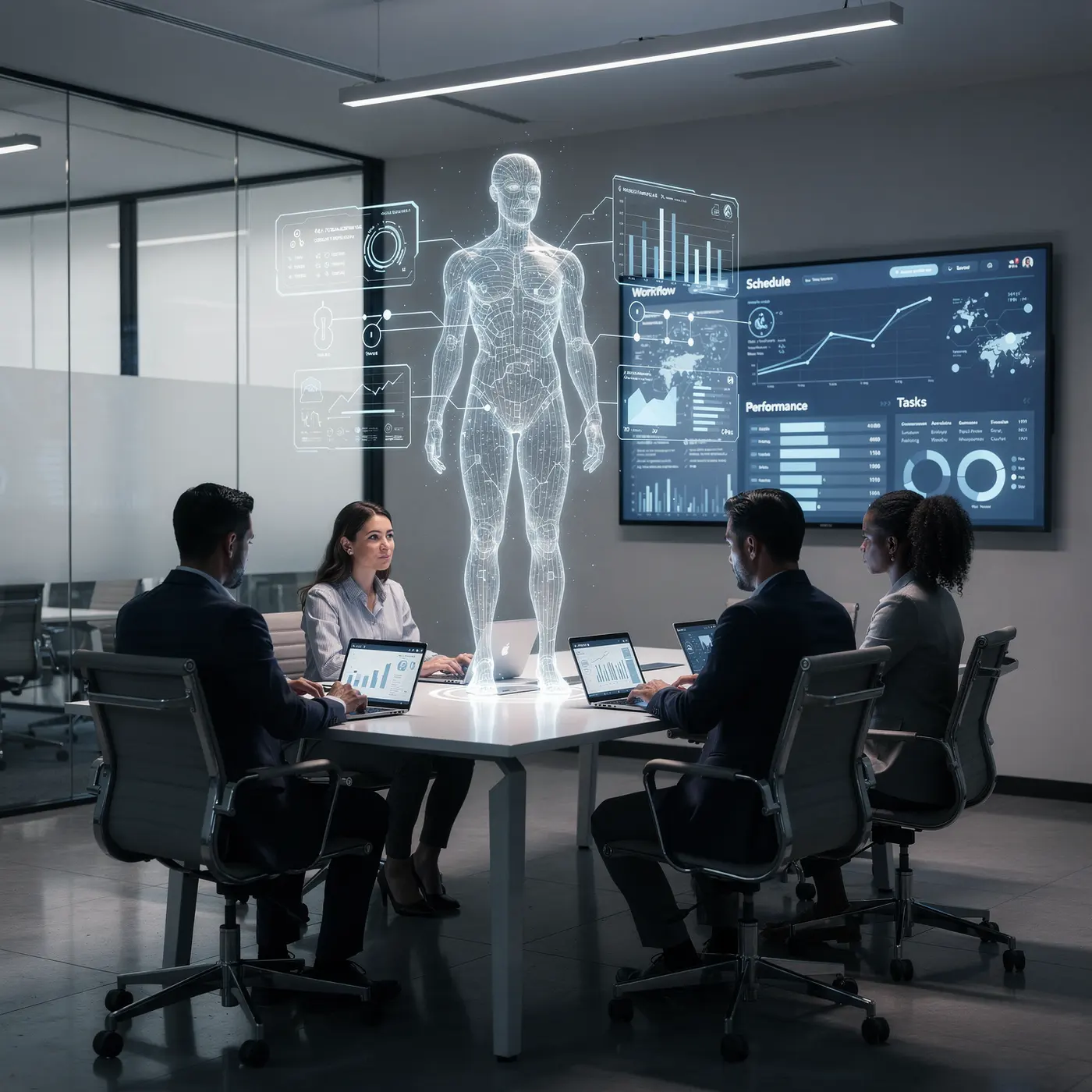
A strategic control room in the palm of your hand. The world's large chains are run from a control room.
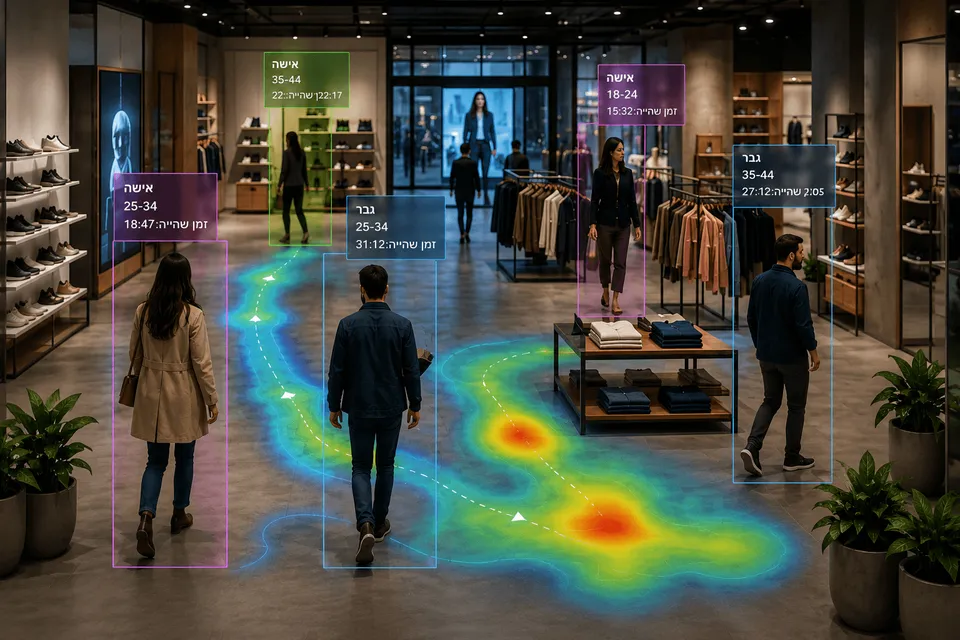
They use a smart dashboard that scans visitor traffic live and cross-references it with sales data. That lets you see the whole picture from anywhere in the world — what the current traffic is, what the conversion rate is right now, and whether the team is keeping pace.
Smart management translates raw numbers into a clear picture that makes every decision fast, accurate and winning.
💡 Putting it into practice: moving to real-time, data-driven management
Gathering the real numbers in one place
- The old way — opening five different programs, phoning the branches and trying to work out what is happening from gut feeling.
- The way the big players do it — one dashboard that gathers everything: entries, conversion rates, occupancy at each point in time and actual sales.
You look at one screen and know exactly where the business stands against its targets.
Spotting behaviour patterns and correcting deviations
- The action — use the dashboard to identify bottlenecks. If the system shows peak traffic at a particular branch while the conversion rate falls away, you know immediately that there is a service or stock problem, and you can react in that moment rather than at the end of the week.
Making strategic decisions grounded in fact
- The action — stop guessing whether the promotion worked or whether the rota needs changing. The dashboard shows you the evidence: "at 16:00 twice as many customers came in, but sales didn't rise." The conclusion is clear and measurable — that shift needs more people.
Managing remotely with peace of mind
- The benefit — once you have the full picture in real time, you no longer have to breathe down your employees' necks. The system does the oversight for you.
That is what lets you run a large number of branches as easily as you ran one — because the data is always with you.
💡 Real-time data is your power as a manager. When you stop guessing and start seeing, you aren't only running the business — you are leading it to a win grounded in fact.