In short: a customer base that stays is built when you stop chasing only new customers and start investing in retention: a system that records every interaction and lets you make a personal offer at the right moment, a consistent service protocol that builds trust, added value in the form of content and community even when nobody is spending, and immediate authority to compensate, which turns a complaint into loyalty. Measure your repeat-customer rate — those customers are the real growth engine.
Many owners live in constant anxiety: where will the next customer come from?
They pour money into advertising, promotions and chasing new customers, only to watch them buy once and disappear to a competitor charging a shekel less.
In a small business customers come back because they know you. As you grow you are no longer the face of every sale, and if you don't build a mechanism for loyalty, you will find yourself in a bottomless pit of marketing spend.
The managerial problem
The hole in the bucket. Most businesses focus on acquisition and forget retention.
The result? You are pouring water into a leaking bucket. Acquiring a new customer costs five to seven times more than keeping an existing one.
A business that doesn't measure customer lifetime value is gambling on its future every morning.
The modern management answer
Turning a one-off customer into an advocate. The world's large chains don't leave a customer's return to chance. They design a customer journey, psychologically and technologically, to create both emotional and practical attachment. Loyalty isn't points on a card — it is the customer having no rational reason to look for an alternative.
💡 Putting it into practice: building a customer base that doesn't replace you
Managing data instead of relying on memory
- The old way — "I remember this customer bought here once…"
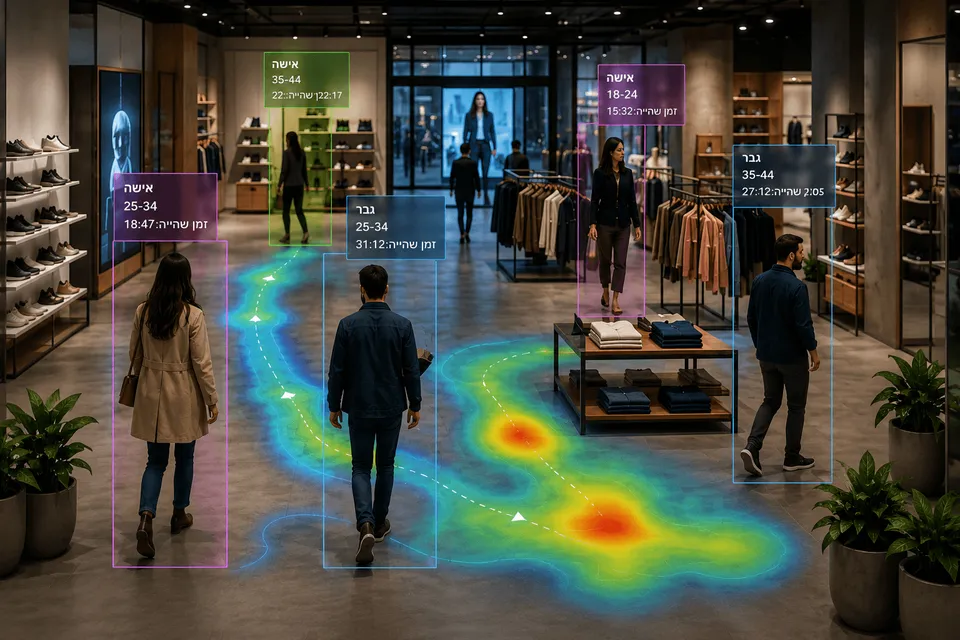
- The way the big players do it — using a CRM that records every interaction. When the system knows when a customer last bought, what they like and when their birthday is, you can send a precise, personal offer at exactly the right moment. The power is in personalisation.
Creating a consistent customer experience
- Loyalty is built on trust, and trust is built on consistency.
If a customer gets superb service at branch A and mediocre service at branch B, your brand is in danger.
- The action — set a strict service protocol.
From the moment the customer walks in to the follow-up after the purchase. When a customer knows exactly what to expect, they stop comparing prices and start valuing the absence of hassle.
The added-value mechanism
- Customers stay loyal to brands that give them value even when they aren't spending.
- The action — create content, community or knowledge that enriches the customer.
A running shop that starts a running club, or a garage that sends tips on looking after a car in winter, moves from being a supplier to being an authority.
Customers don't leave an authority.
Turning a complaint into a chance to lock the customer in
- The research is clear: a customer who complained and received exceptional handling will be more loyal than one who never had a problem at all.
- The tactic — give your team immediate authority to compensate. Don't make the customer wait for a manager.
A fast, generous resolution in a moment of crisis creates a halo effect that binds the customer to you emotionally.
💡 The bottom line: don't measure only your daily takings — measure your repeat-customer rate.
A stable business is one where existing customers are its biggest growth engine, not a paid campaign on social media.