In short: excellent businesses stay small because everything runs through the owner: when they are ill the business is ill, and when they are on holiday sales stop. Add decisions made on gut feeling rather than measurement, and a reluctance to invest in infrastructure before the money shows up, and you get a glass ceiling. Breaking through demands structured processes that don't depend on one person, automation and data-driven management — so you stop being the business and start being its manager.
There is a phenomenon in business that is fascinating and painful at once: companies with a brilliant product, exceptional service and a passionate owner that nevertheless stay stuck at the same size for years.
They don't collapse, but they don't grow either. They are running flat out on a treadmill — sweating, straining, and staying in exactly the same place.
The obvious question is: why? Why does a business with the potential to become an empire stay at the level of a small shop?
The answer isn't luck. It is an invisible glass ceiling the owners built with their own hands, often without noticing.
The founder's dissonance
In a business's early stages the owner is everything: the salesperson, the marketing manager, the service provider and the one who makes the coffee.
That ability to be all things is what brings the business to life — and that is exactly where the trap is.
What got you here is precisely what stops you getting to the next stage.
When the business rests entirely on the founder's personal capability, it is limited by their energy.
If the owner is ill, the business is ill. If they are on holiday, sales stop. A business that stays small is usually one where everything runs through me — and that isn't growth, it is modern servitude with nice branding.
Managing on gut feeling versus managing on data
In the previous article we discussed the missing link between your data and the till.
In businesses that stay small, that link simply doesn't exist. Decisions get made on instinct: "I feel the advertising is working", "I think the customers are happy".
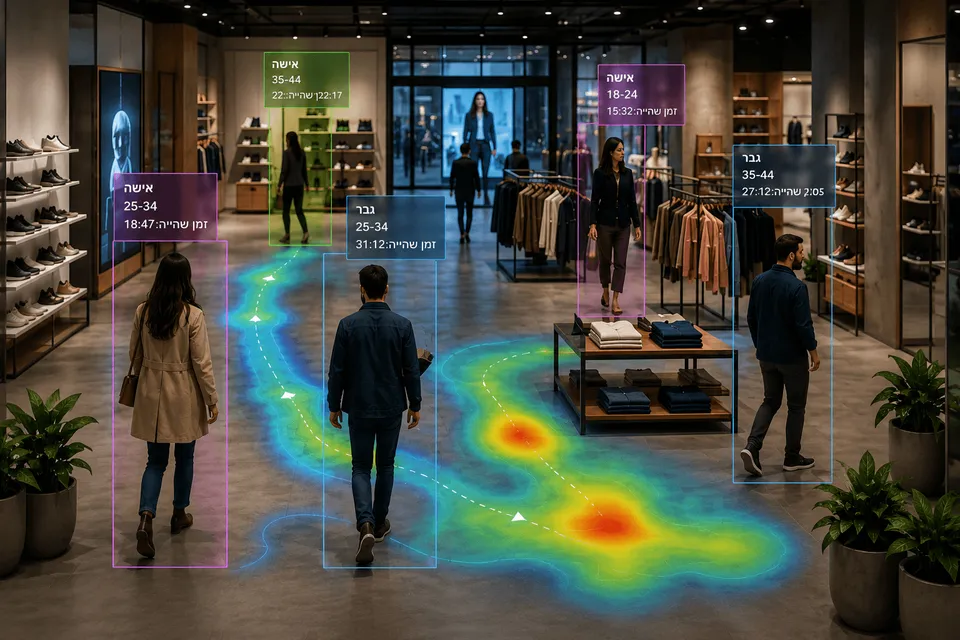
A large business cannot afford to "feel". Growth demands measurement. When you don't know exactly what it costs to acquire a customer, what your real churn rate is or where in the sales process leads go missing, you cannot replicate success.
A business that stays small manages the present. A business that grows manages the numbers that create the future.
The fear of letting go of control
One of the biggest psychological barriers is the worry that "nobody will do it as well as I do".
That may be true — perhaps nobody will sell with the founder's passion. But to grow, a business needs systems that work at 80% of the founder's capability, at a hundred times the scale.
Businesses stay small because they are afraid to invest in infrastructure before they see the money in their pocket. They wait for the business to grow before rolling out a CRM, building automations or hiring a sales manager.
Reality runs the other way: the business won't grow until that infrastructure exists. You cannot build a skyscraper on the foundations of a house.
The bottom line: stop being "the business" and start being "the manager"
To break the glass ceiling, an owner has to make a shift that is both mental and technological. It involves:
- Building structured processes — so that selling and serving don't depend on anyone's mood.
- Rolling out technology — automations and data management that save valuable time and create peace of mind.
- Looking at the data — turning every customer interaction into a number you can analyse and improve.
Your business isn't staying small because of the market, the competition or the economy.
It is staying small because it is waiting for you to give it the tools to be big.
Growth is a conscious decision to stop firefighting and start building a system that runs itself.
💡 Is your business built to grow, or is it simply waiting for you to get back from holiday so it can carry on working?