In short: your team's mood is worth three times as much in sales because an employee who feels seen passes that energy on to customers, while a burnt-out one radiates a distance that drags conversion down. A minute of personal attention at the start of a shift, noticing personal events, celebrating wins in the data publicly, and spotting fatigue in real time turn the atmosphere in a branch into a growth engine.
Managers often forget that their salespeople aren't robots — they are people.
An employee who arrives for a shift feeling unseen, like a cog in a machine, will give you the work of a cog. They will stand there and answer questions, but they will not sell.
A salesperson like that drags the branch's conversion rate down sharply, and you won't even know why the numbers are falling despite high footfall.
The managerial problem
The managerial mistake is thinking management is only instructions and reports.
When a manager walks into a branch and looks straight at the shelves or the computer without a personal "good morning", they put out the team's spark.
An employee in low spirits is a worn-down employee who signals "don't come near me" to customers.
That is quiet damage no marketing campaign can repair — the distance comes back to you as a boomerang in the day's sales figures.
The modern management answer
Understanding that mood is an operational asset.
Modern management understands that conversion rate starts with how you treat your people. An employee who is happy, who feels valued and seen as an individual (birthdays, holidays, congratulations on a personal achievement) is one who comes in ready to take the floor.
That energy is contagious — customers are drawn to salespeople who are enjoying themselves, and sales rise naturally without you changing a single product on the shelf.
Putting it into practice: turning the atmosphere in a branch into a growth engine
- The personal "good morning" ritual
- The old way: walking into the branch and starting with comments about tidiness.
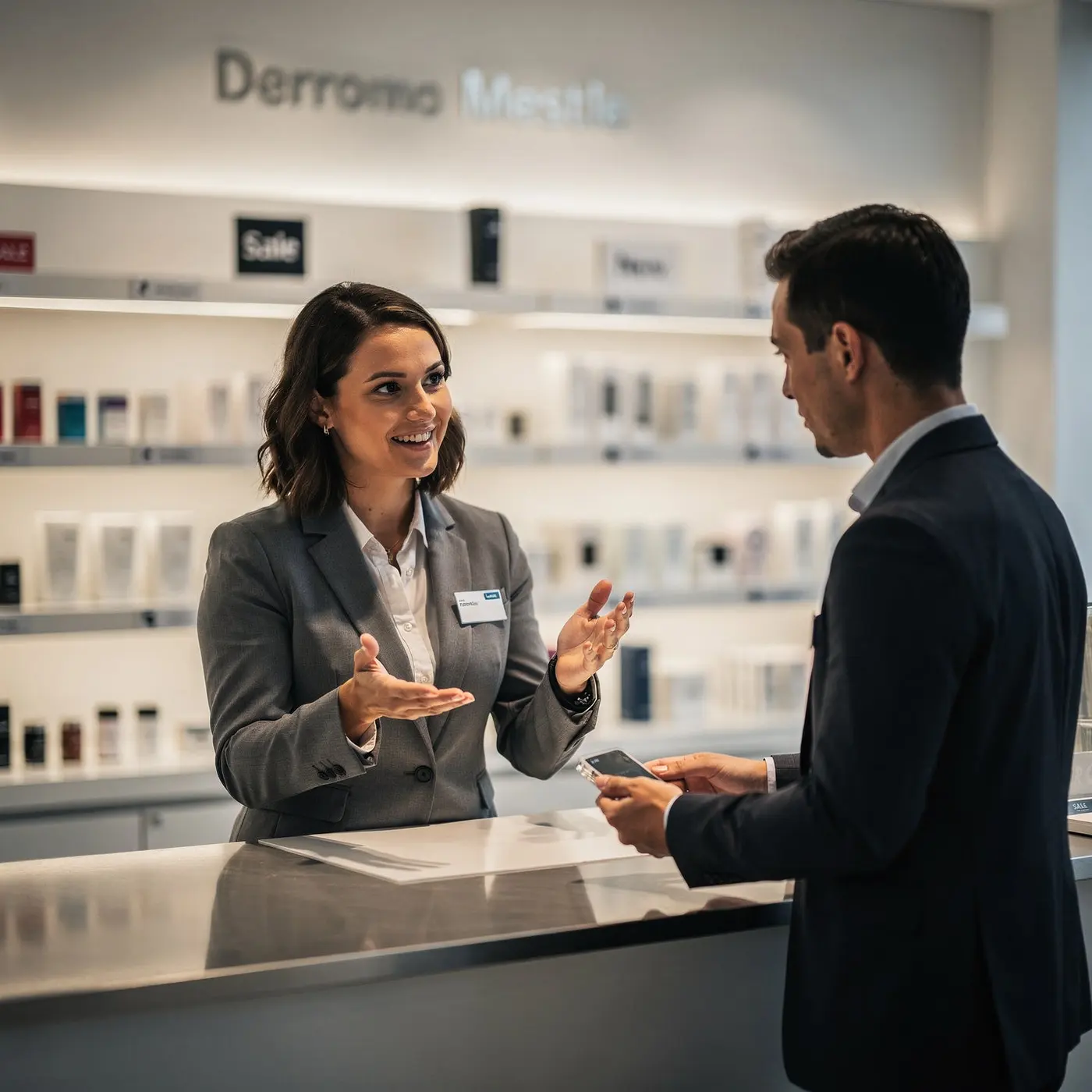
- The way champions do it: one minute of personal attention for each employee at the start of the shift — a question about the family, a hobby, or simply a genuine smile. That 60-second investment repays itself with eight hours of high motivation in front of customers.
- Noticing the small things
- An employee who feels the place is a home will fight for every shekel of the business as if it were their own money.
- Quite apart from any sales bonus: remembering a birthday, a small holiday gift with a personal note, congratulations on a family event — these are the things that build loyalty.
- Turning the numbers into a shared celebration
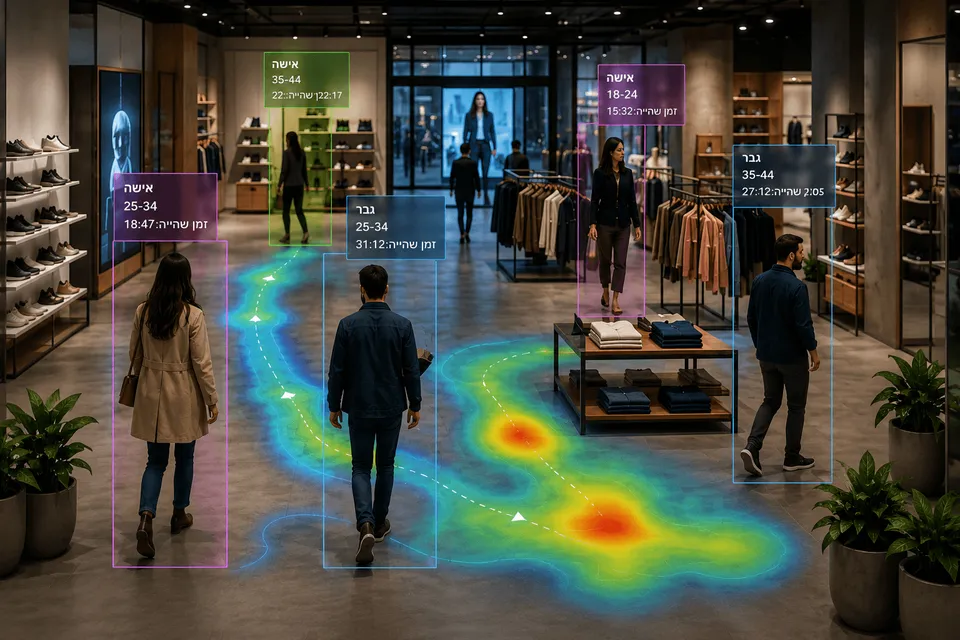
- When you see a day with an outstanding conversion rate in Eyezapp, don't just say "nice, keep it up". Make something of it: "Did you see yesterday's numbers? You smashed it!" Public recognition for a win visible in the data is the strongest fuel there is for consistency in sales.
- Spotting burnout in real time
- If you see a strong salesperson suddenly dropping in performance, don't reprimand them. Ask: "is everything all right? Is there anything I can help with?"
Sometimes a five-minute conversation rescues an entire shift's sales.
💡 When an employee knows you care about them as a person, they will give three times as much in the moment that counts, in front of the customer.